1. Kashi Vishwanath Temple
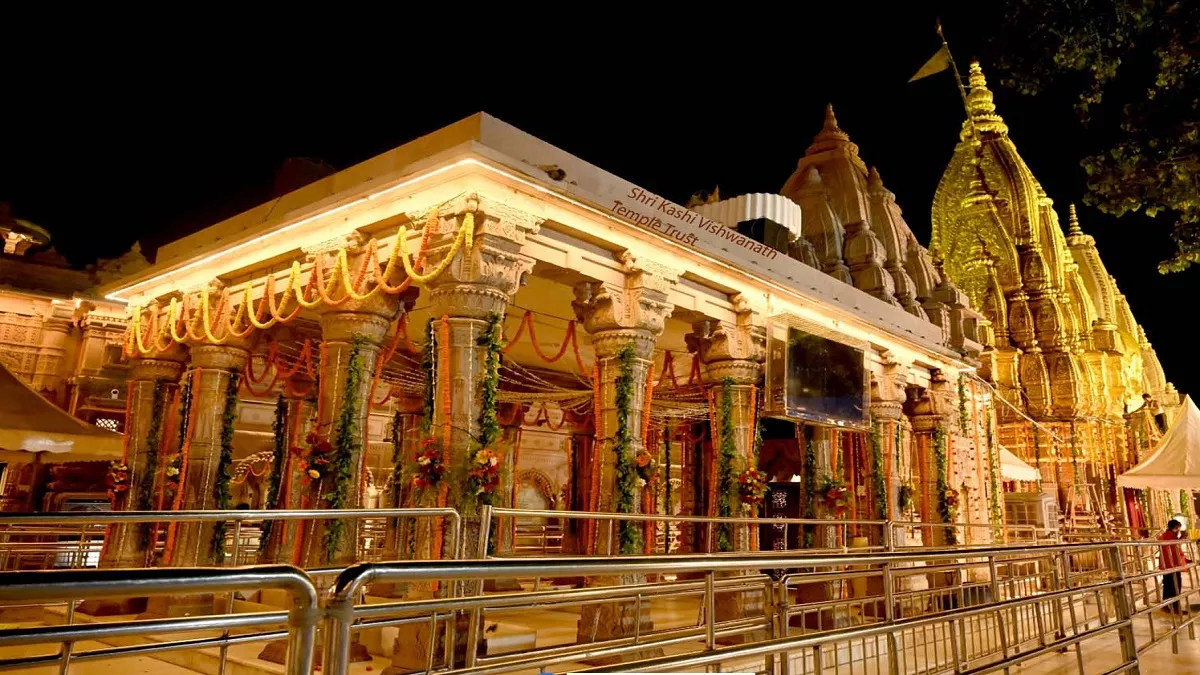
Kashi Vishwanath Temple is one of the most famous temple in Varanasi, also known as the Golden temple dedicated to the Lord Shiva. It was constructed in the year 1780 by the Maratha monarch, Maharani Ahilyabai Holkar of the Indore.
Every day at 2:30 a.m., the temple opens. The Mangala Aarti is held between 3 and 4 a.m. From 11:15 a.m. until 12:20 p.m., the Bhoga Aarti is performed. Sandhya Aarti is held from 7:00 to 8:15 p.m. Shingara Aarti is held between 9:00 and 10:15 p.m. Shayana Aarti, the final aarti, is held from 10:30 p.m. to 11:00 p.m
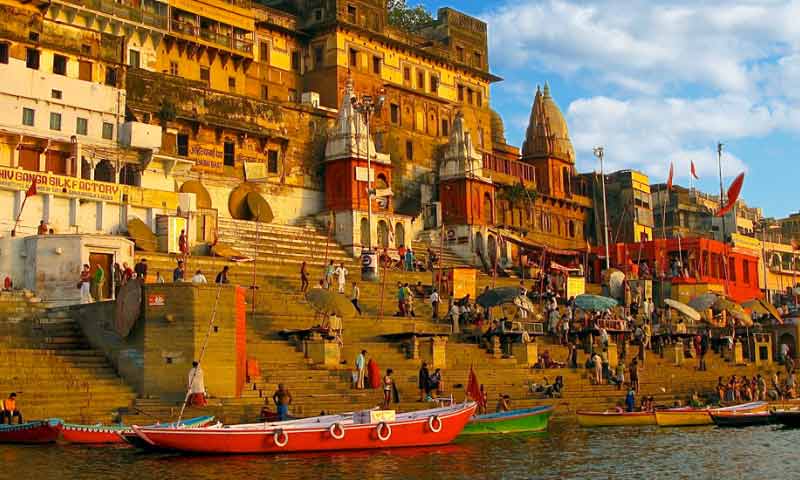
2. assi ghat
Assi Ghat is the southernmost ghat in Varanasi. It is one of the biggest ghats of Varanasi and most popular one. To most visitors to Varanasi, it is known for being a place where long-term foreign students, researchers, and tourists live. Assi Ghat is one of the ghats often visited for recreation and during festivals. On typical days about 300 people visit every hour in the mornings, and on festival days 2500 people arrive per hour.
3. sankat mochan hanuman Temple
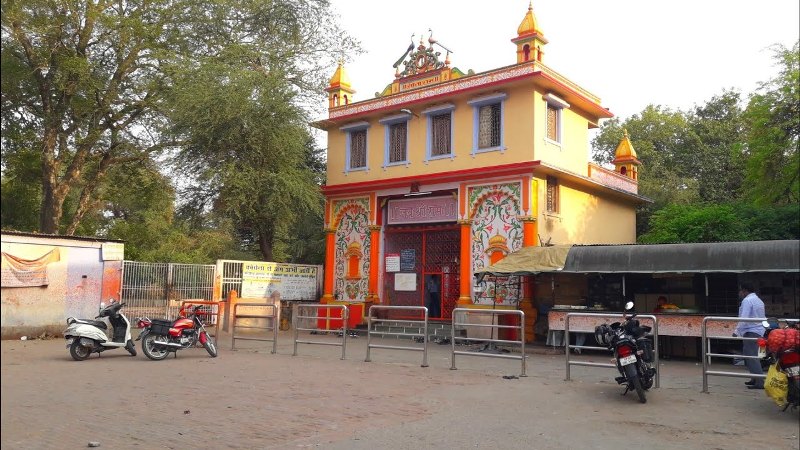
Sankat Mochan Hanuman Temple is a Hindu temple in Varanasi, Uttar Pradesh, India and is dedicated to the Hindu god Hanuman. The temple was established by the famous Hindu preacher and poet saint Shri Goswami Tulsidas in the early 16th century and is situated on the banks of the Assi River. The deity was named "Sankat Mochan" which means "reliever from troubles".
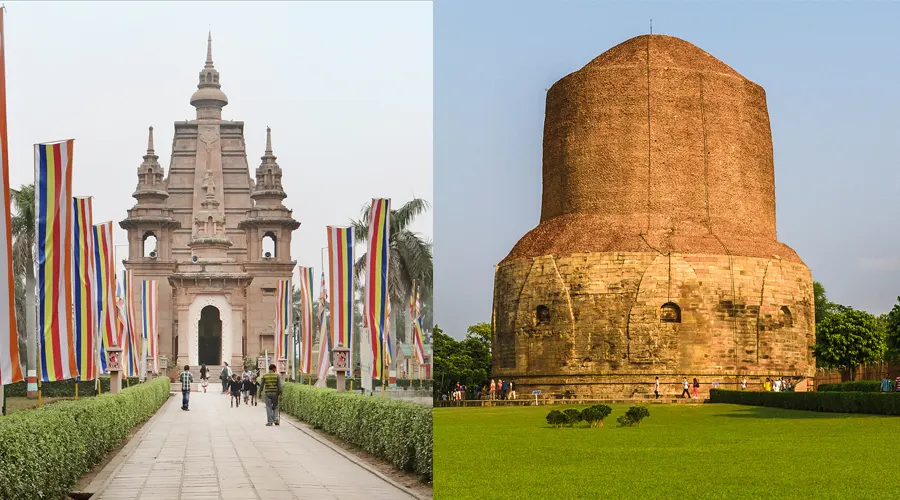
4. sarnath
Sarnath (also referred to as Sarangnath, Isipatana, Rishipattana, Migadaya, or Mrigadava) is a place located 10 kilometres (6.2 miles) northeast of Varanasi, near the confluence of the Ganges and the Varuna rivers in Uttar Pradesh, India.
Sarnath is where, circa 528 BCE, at 35 years of age, Gautama Buddha taught his first sermon after attaining enlightenment at Bodh Gaya. It is also where the Buddhist sangha first came into existence as a result of the enlightenment of his first five disciples (Kaundinya, Assaji, Bhaddiya, Vappa and Mahanama)
5. manikarnika ghat
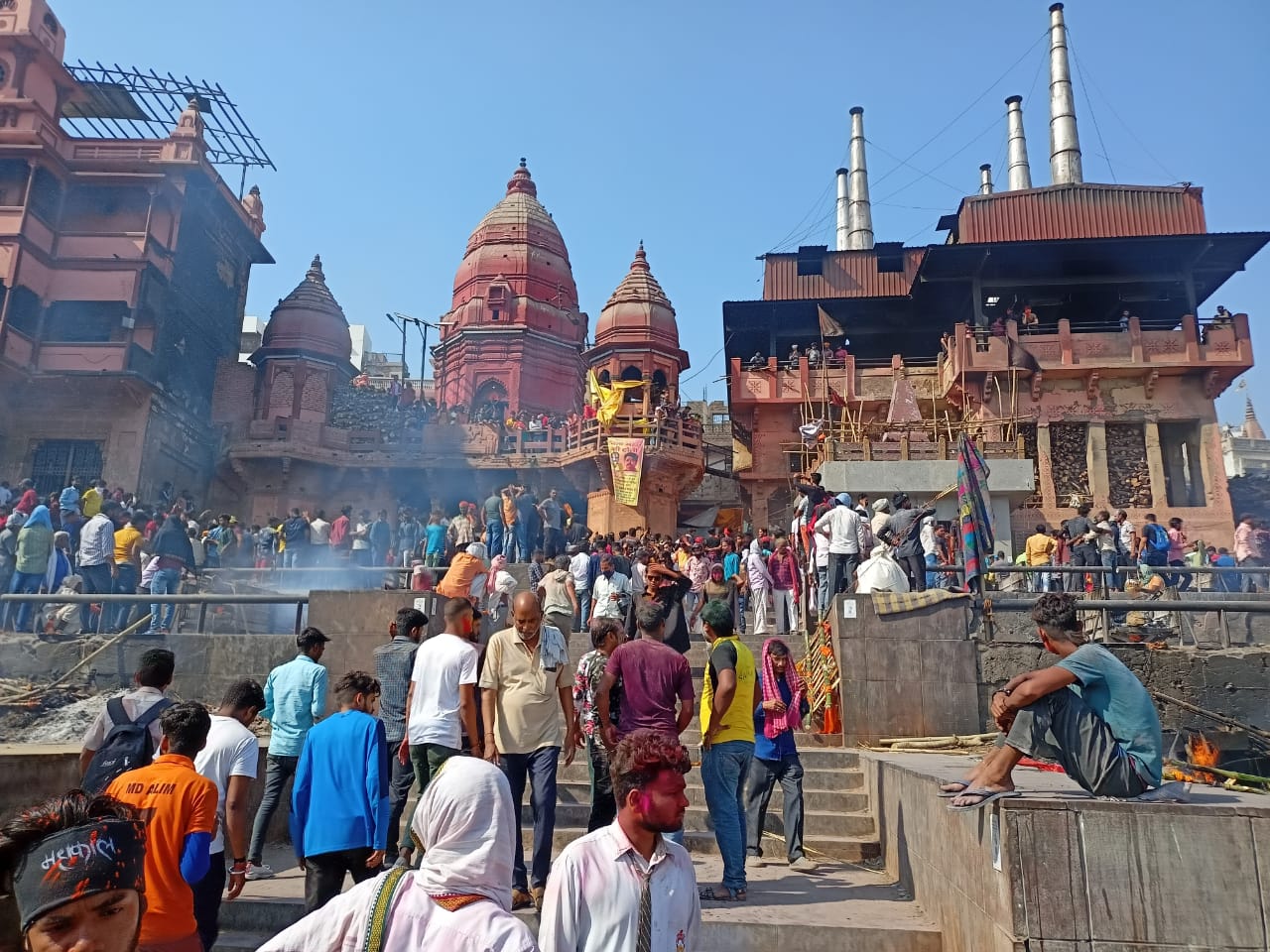
Hindu mythology teaches that the ghat is especially sacred and that people cremated there receive moksha. As the myth goes, Vishnu, after several thousand years of tapasya, trying to please Shiva, to convince him to not destroy the holy city of Kashi when he destroys the world, managed to do so
According to the belief, when Shiva Parvati was observing the pond, the gem of Parvati's ear fell in Chakrapushkarni. It was named Manikarnika because of the fall of Parvati's ear gem. Presently, this ghat of Kashi is famous for both pilgrimage and cremation ground
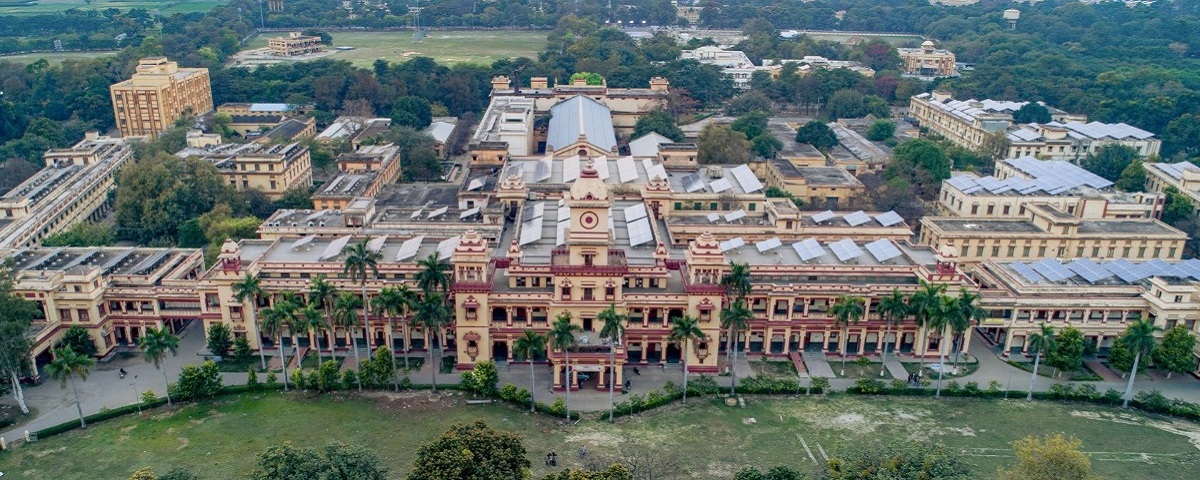
6. Banaras Hindu university
Banaras Hindu University (BHU) is a collegiate, central, and research university located in Varanasi, Uttar Pradesh, India, and founded in 1916. The university incorporated the Central Hindu College, founded by Indian Home Rule-leaguer and Theosophist, Annie Besant in 1898.
After Besant and her associates were marginalized, the university was established by Madan Mohan Malaviya with the financial support of the maharaja of Dharbhanga Rameshwar Singh, the maharaja of Benares Prabhu Narayan Singh, and the lawyer Sunder Lal. With over 30,000 students, and 18,000 residing on campus, BHU is the largest residential university in Asia.